Pet Rabbits
Clever, social and longer-lived than you think. Pet rabbits can live 8 to 12 years and need a bunny friend, lots of hay and room to hop. A friendly guide to happy, healthy house rabbits.
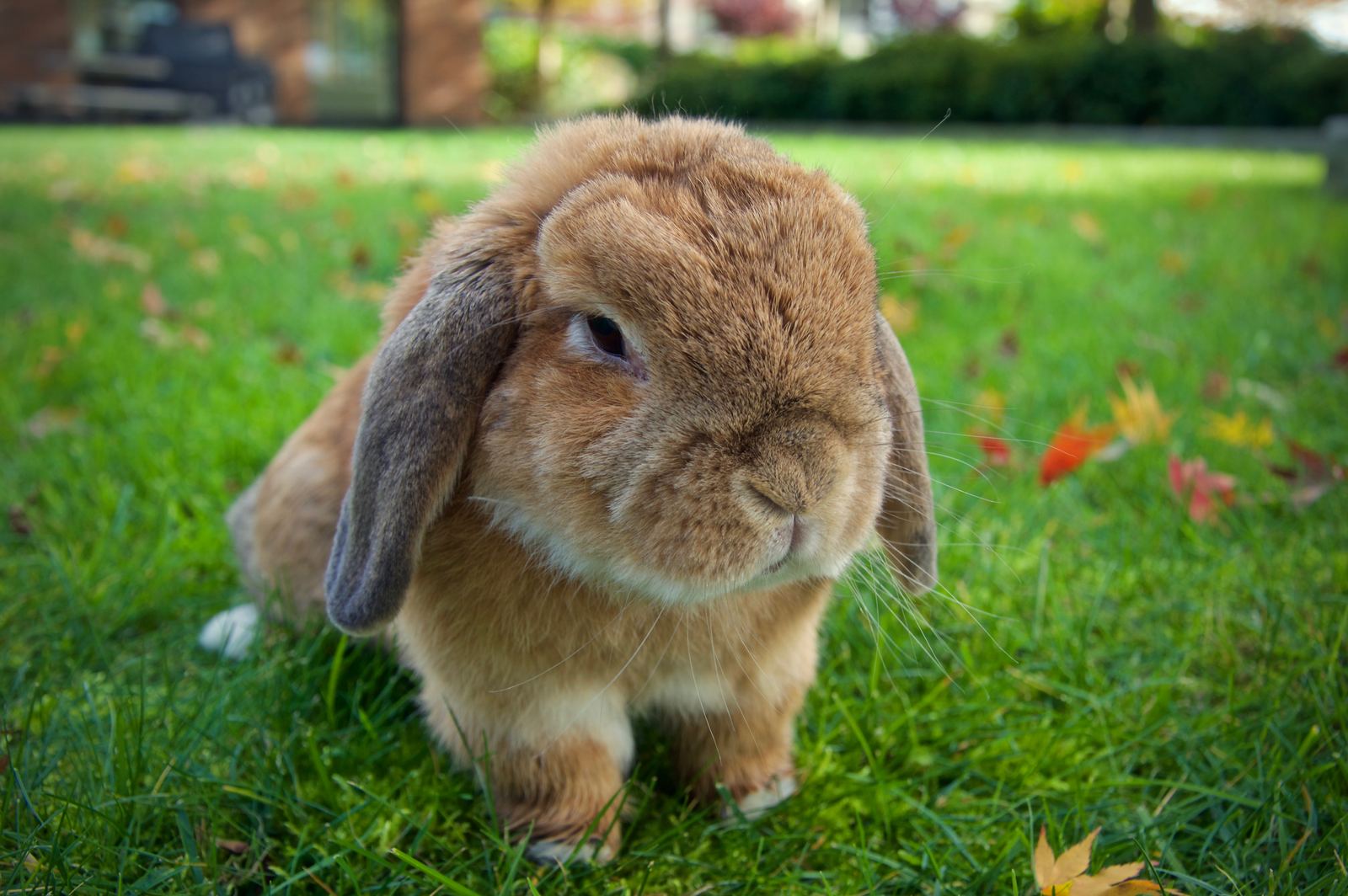
A Holland Lop rabbit: Harold Cecchetti, CC BY-SA 4.0
More than a starter pet
Rabbits are often thought of as easy pets for children, but they are a real commitment. The RSPCA says a well-cared-for rabbit can typically live for 8 to 12 years, and some live longer. That is a decade of daily care, so it pays to plan ahead.
Rabbits are prey animals, which means they can be nervous at first. With gentle, patient handling many become curious, playful and affectionate, and some learn to come when called.
Bunnies need a buddy
Rabbits are very social. Welfare groups such as the RSPCA say they are happier, calmer and less stressed when kept with a suitable rabbit companion, and rescues often rehome them in bonded pairs.
Introductions between new rabbits should be done slowly and carefully, ideally with advice from a vet or rescue, and neutering is commonly recommended before pairing. A human friend, however loving, cannot replace another rabbit.
Hay, hay and more hay
The RSPCA advises that a rabbit's diet should be about 85 percent fresh hay and grass, 10 percent leafy greens and only around 5 percent pellets. Hay should be available at all times.
Hay is not just food. Rabbit teeth grow all the time, and the side-to-side chewing that hay needs helps wear them down. Carrots and fruit are treats, not staples, despite the cartoons. Fresh water should always be on offer.
Space to be a rabbit
Rabbits need room to hop, stretch up on their back legs, dig and hide, plus somewhere safe to retreat when they feel worried. A small hutch on its own is not enough, and many owners now keep house rabbits with a large pen and supervised free-roam time.
Rabbits often hide illness, so changes in eating, droppings or behaviour need quick attention. Find a vet with rabbit experience and book regular checkups, including teeth checks.
Rabbits also need things to do. Cardboard boxes to hide in, tunnels, digging trays and safe things to chew, such as untreated willow, keep them busy and help protect your furniture and cables. Scatter some of their daily greens or pellets around the pen so they can forage. A rabbit that is bored or lonely may become withdrawn or destructive, so daily enrichment matters as much as food. Many rabbits can learn to use a litter tray filled with hay, which makes life indoors easier for everyone.
- A Holland Lop rabbit: Harold Cecchetti, CC BY-SA 4.0
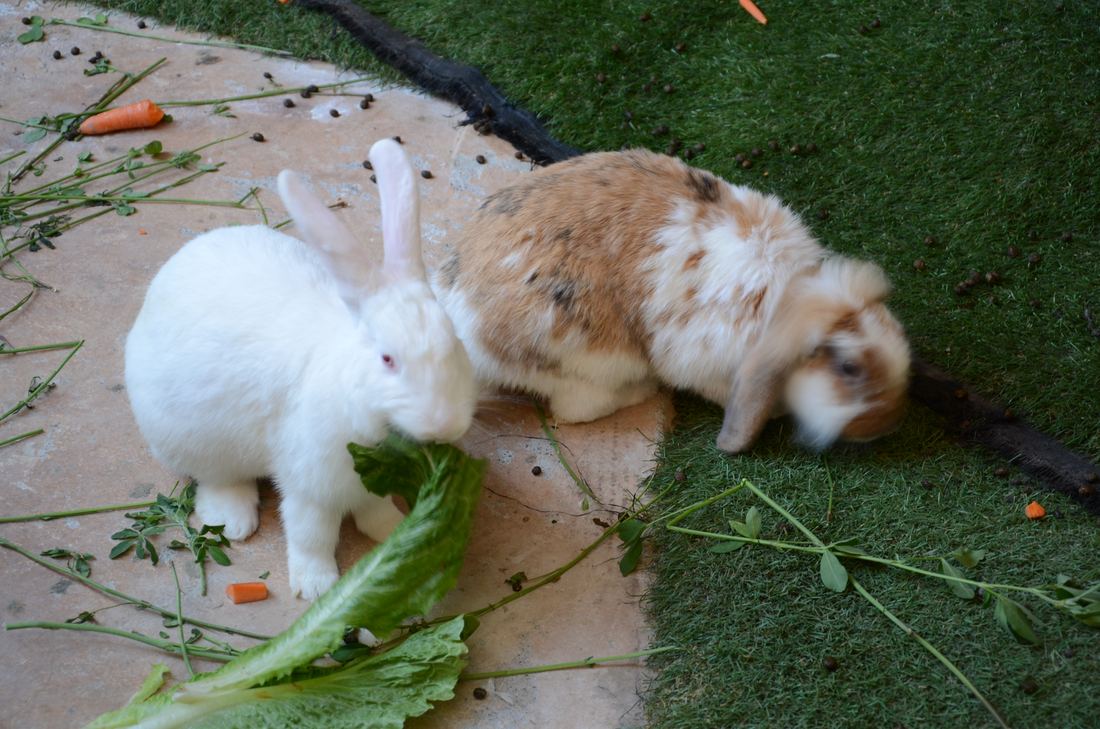
- Better together: shankar s. from sharjah, united arab emirates, CC BY 2.0
Text written by Most Beautiful Pets.