Samoyed
The smiling white dog of Siberia. The fluffy white Samoyed comes from Arctic Siberia, where it herded reindeer and pulled sleds. Its famous smile, size, coat care and needs.
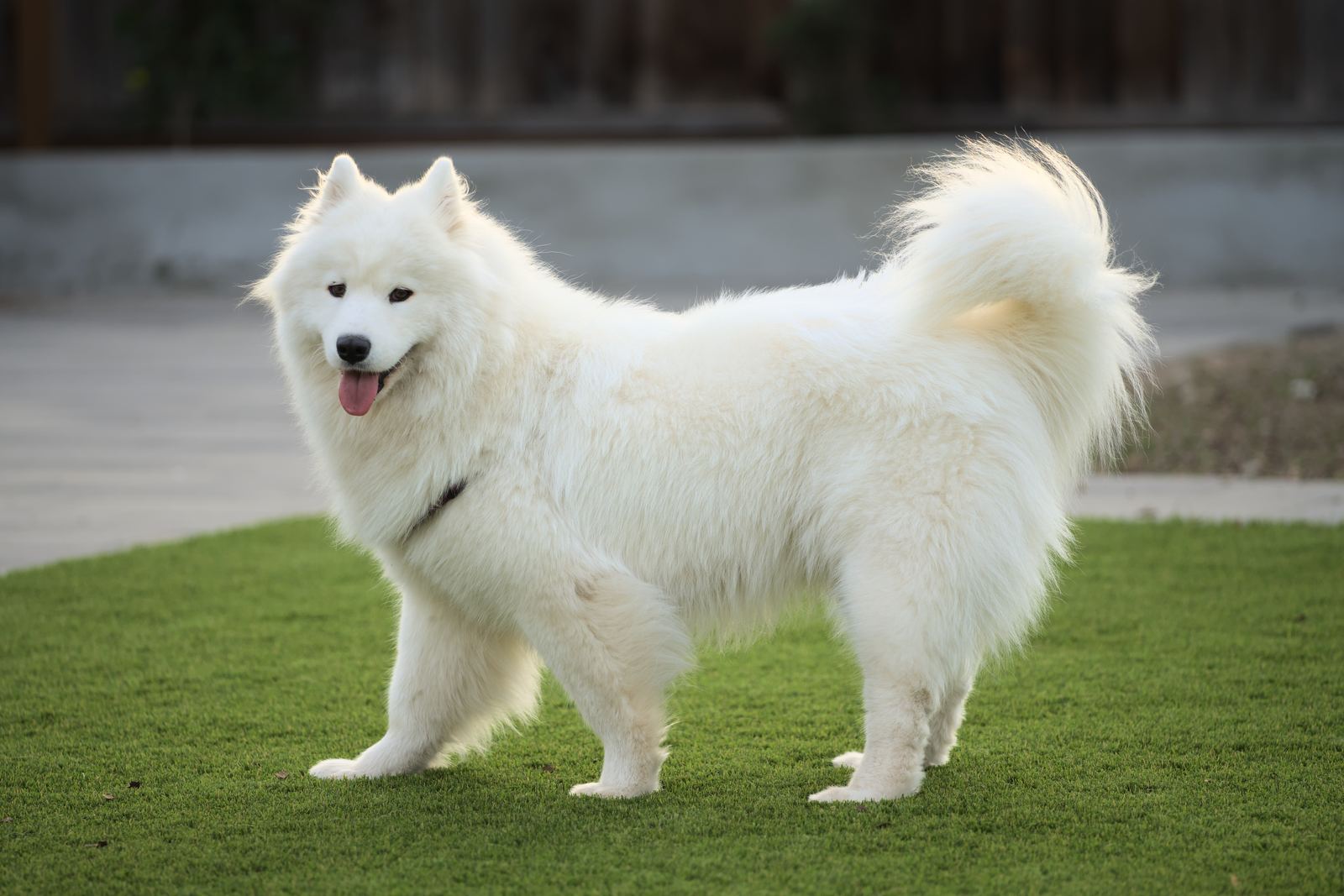
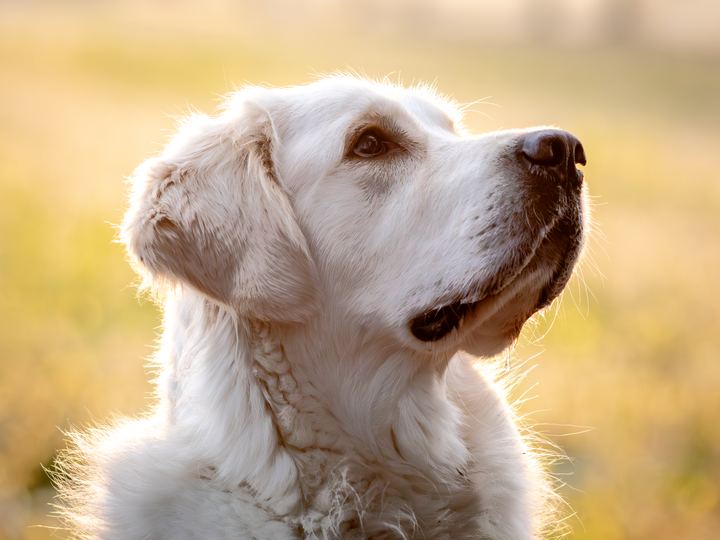
A two-year-old Samoyed: Dllu, CC BY-SA 4.0
From the Arctic
The Samoyed takes its name from the Samoyedic peoples of northern Siberia, such as the Nenets, who kept spitz-type dogs to herd reindeer, pull sleds and keep watch. Genetic studies suggest this Arctic dog lineage is very old.
Explorers brought these dogs into the wider world in the late 1800s, and some took part in famous polar journeys. In Britain the breed grew in popularity, and its first official standard was written there in 1909.
That famous smile
The upturned corners of a Samoyed's mouth give it the look of a permanent smile. Fans say it also helps stop drool from freezing into icicles on the face in very cold weather.
The AKC lists males at 21 to 23.5 inches and 45 to 65 pounds, with females a little smaller. The coat is pure white, cream or white with pale biscuit shading, standing out from the body like a cloud.
Living with all that fluff
A Samoyed's double coat is gorgeous and a real commitment. Plan on brushing several times a week, and close to daily during the heavy seasonal shed, when the dense undercoat comes out in clumps.
That coat is made for cold climates, so in hot weather keep walks to cooler hours and make sure shade and fresh water are always available. As with other double-coated breeds, shaving is not a fix for heat or shedding. A groomer or your vet can advise if the coat becomes matted.
Personality and exercise
Samoyeds are friendly, people-loving dogs that usually want to be in the middle of family life. They were bred to work all day, so they need plenty of exercise and things to do, and they can be vocal when bored.
The AKC lists a life expectancy of about 12 to 14 years. Choose a breeder who health-tests parent dogs, and keep up regular checkups with your vet.
Samoyeds were bred to live close to their people, sleeping near families and working beside them, and many still dislike being left alone for long stretches. Daily walks, play, training and dog sports such as sledding, carting or agility suit them well. Starting grooming and handling while they are young also makes brushing sessions easier for everyone later on.
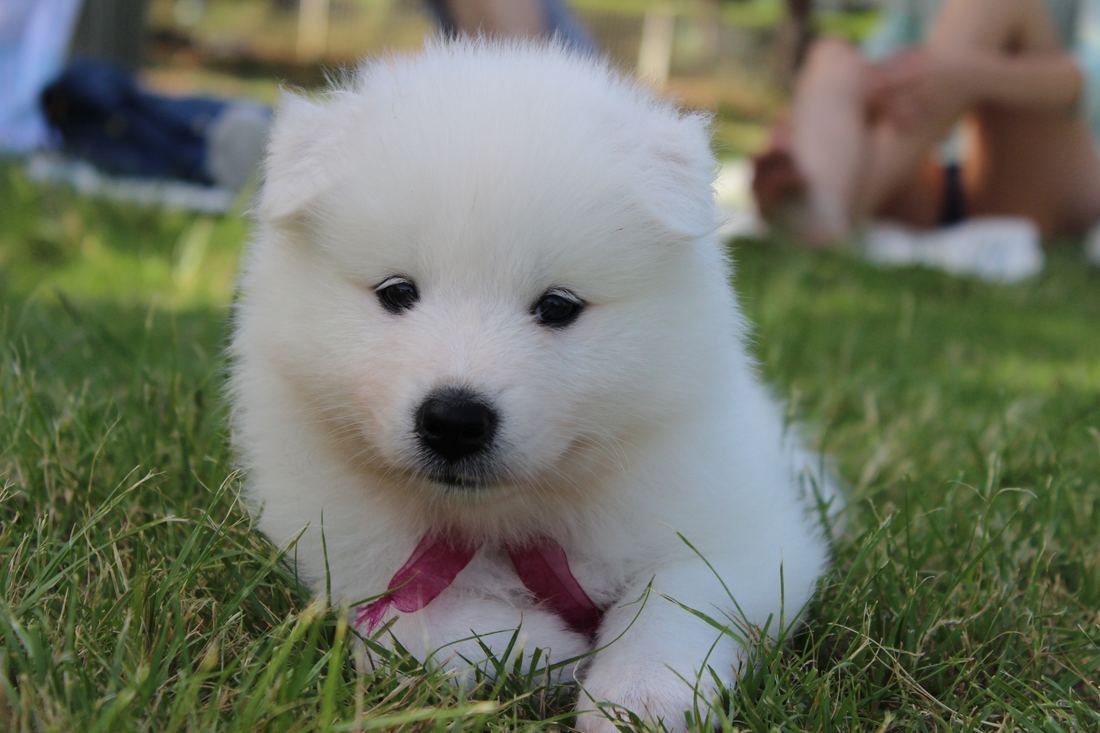
- A two-year-old Samoyed: Dllu, CC BY-SA 4.0
- A Samoyed puppy: ALEEN, CC0
Text written by Most Beautiful Pets.