Adopting a Pet
How to find your new best friend. ASPCA figures say about 4.2 million US shelter dogs and cats were adopted in 2025. How adoption works and how to prepare for the first weeks.
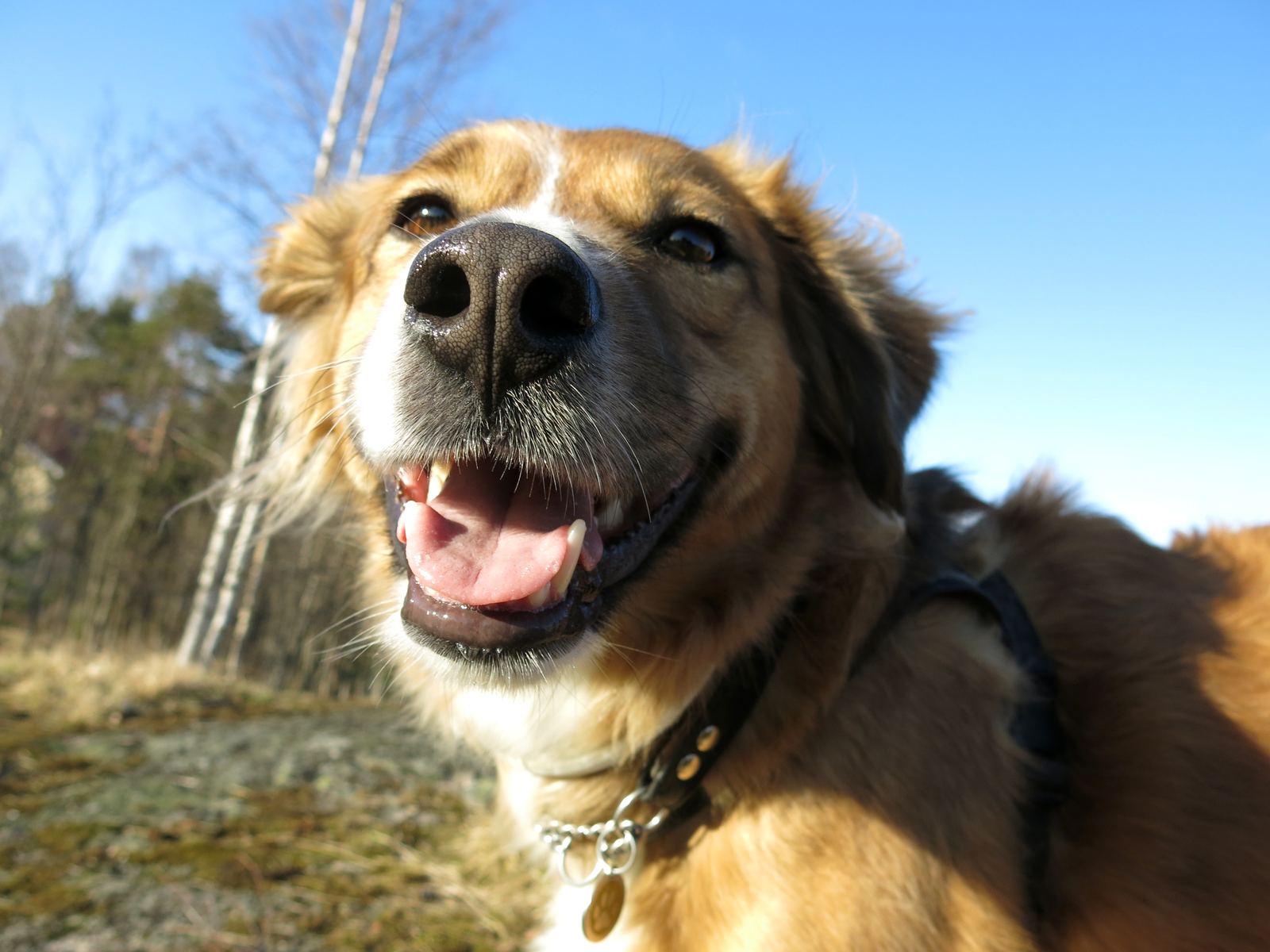
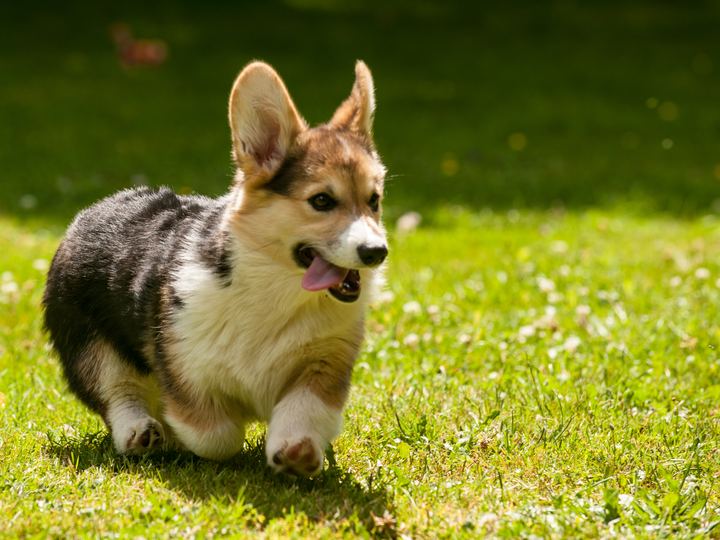
A happy rescue dog: Havu Pellikka, CC BY-SA 4.0
Why adopt
Millions of animals wait in shelters and rescues every year. The ASPCA estimates that about 5.8 million dogs and cats entered US shelters and rescues in 2025, and about 4.2 million were adopted. Every adoption frees up space and care for another animal in need.
Shelters hold every kind of pet: puppies and kittens, calm older animals, purebreds and one-of-a-kind mixes, plus rabbits, guinea pigs and birds. Many rescues match pets to homes based on lifestyle, which can make the choice easier.
Choose with your head and your heart
Before you fall for a face online, think about your daily life. How much time do you have for walks, play and grooming? Who will care for the pet when you travel? Does your home allow pets, and do you have children or other animals?
Tell the shelter staff about your routine and ask about each animal's energy level and history. An adult pet's personality is already known, which can be a big plus for first-time owners.
The first few weeks
Set up a quiet space with food, water, a bed and, for cats, a litter box before your pet comes home. Many new pets are nervous at first. Give them time, keep routines predictable and let them come to you.
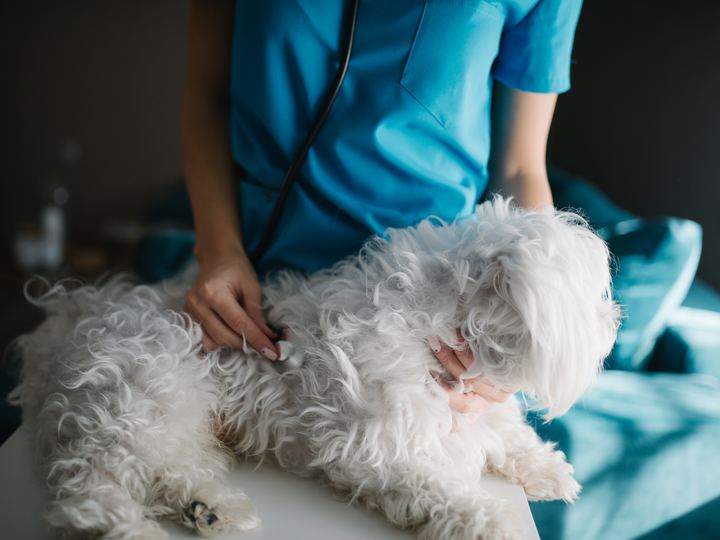
Book a checkup with your own vet soon after adoption, and bring any records from the shelter. Your vet can advise on vaccines, parasite prevention, diet and neutering if it has not been done yet.
Some rescues offer foster-to-adopt programmes, where you care for a pet at home for a trial period before the adoption is finalised. Ask what support the shelter offers after adoption, such as behaviour advice or a helpline. It is also worth budgeting for food, insurance or savings for vet bills, toys and grooming before your new friend arrives, so the first weeks can be about bonding rather than worrying.
Microchips and ID
Many shelters microchip pets before adoption. The AVMA describes a microchip as a tiny device about the size of a large grain of rice, placed just under the skin. It only helps if the chip is registered and your contact details are kept up to date.
Pair the chip with a collar and ID tag where suitable. If your pet ever goes missing, a quick scan at a shelter or vet clinic can bring them home.

- A happy rescue dog: Havu Pellikka, CC BY-SA 4.0
- Cats need homes too: Lisa Zins, CC BY 2.0
Text written by Most Beautiful Pets.